
Restoring Worn Surfaces
Cleaning, reviving and refinishing, and how to tell which a given surface actually needs.
Read the articleWooden furniture restoration · Germany
Riverhearth House documents how solid wood tables, cabinets and chairs are restored: reviving worn finishes, replacing aged hardware and carrying out the basic repairs that keep everyday pieces in use across German households and workshops.
What restoration covers
Most restoration on domestic wooden furniture falls into a few recurring tasks. The notes below describe each in plain terms, without promising any specific outcome for a given piece.
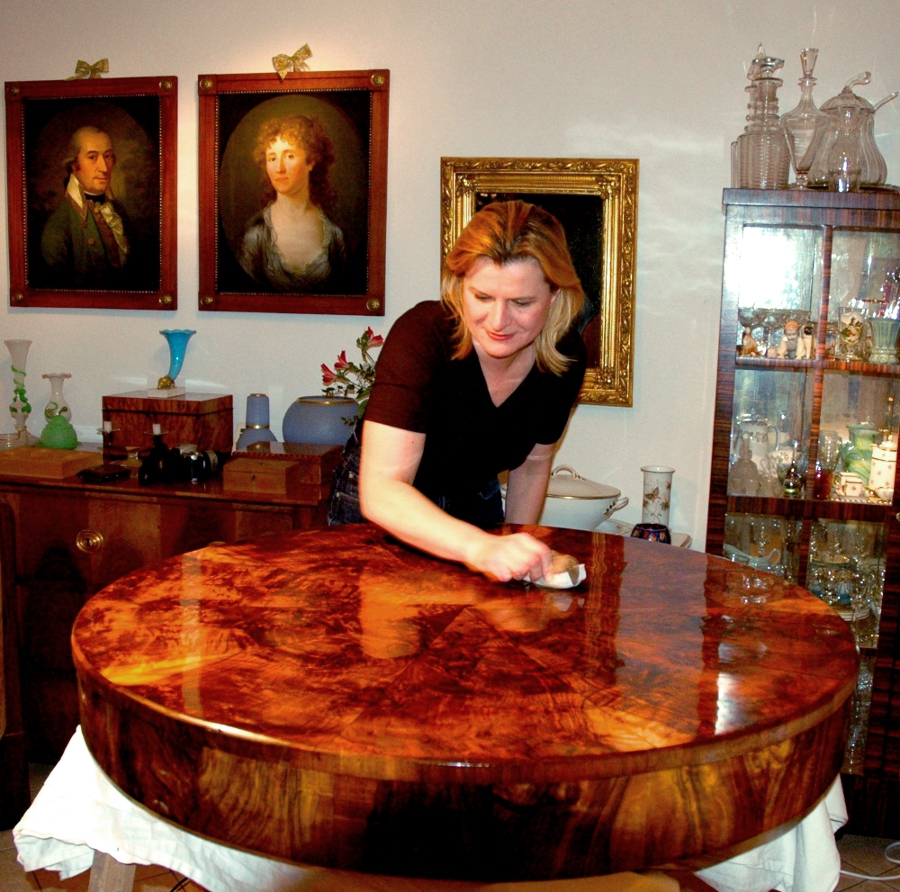
Cleaning built-up grime, easing water rings and re-amalgamating old shellac or lacquer so the original finish reads evenly again, before any decision to strip and refinish.
Removing, cleaning and refitting hinges, escutcheons, handles and drawer runners. Original brass is often reused; replacements are matched to period and screw spacing.
Re-gluing loose chair joints with reversible hide glue, laying down lifted veneer and filling small losses so a piece is sound enough for daily use.
Articles
Each article focuses on one task, with the materials involved, the order of steps and the points where caution matters most on antique or veneered work.
Cleaning, reviving and refinishing, and how to tell which a given surface actually needs.
Read the article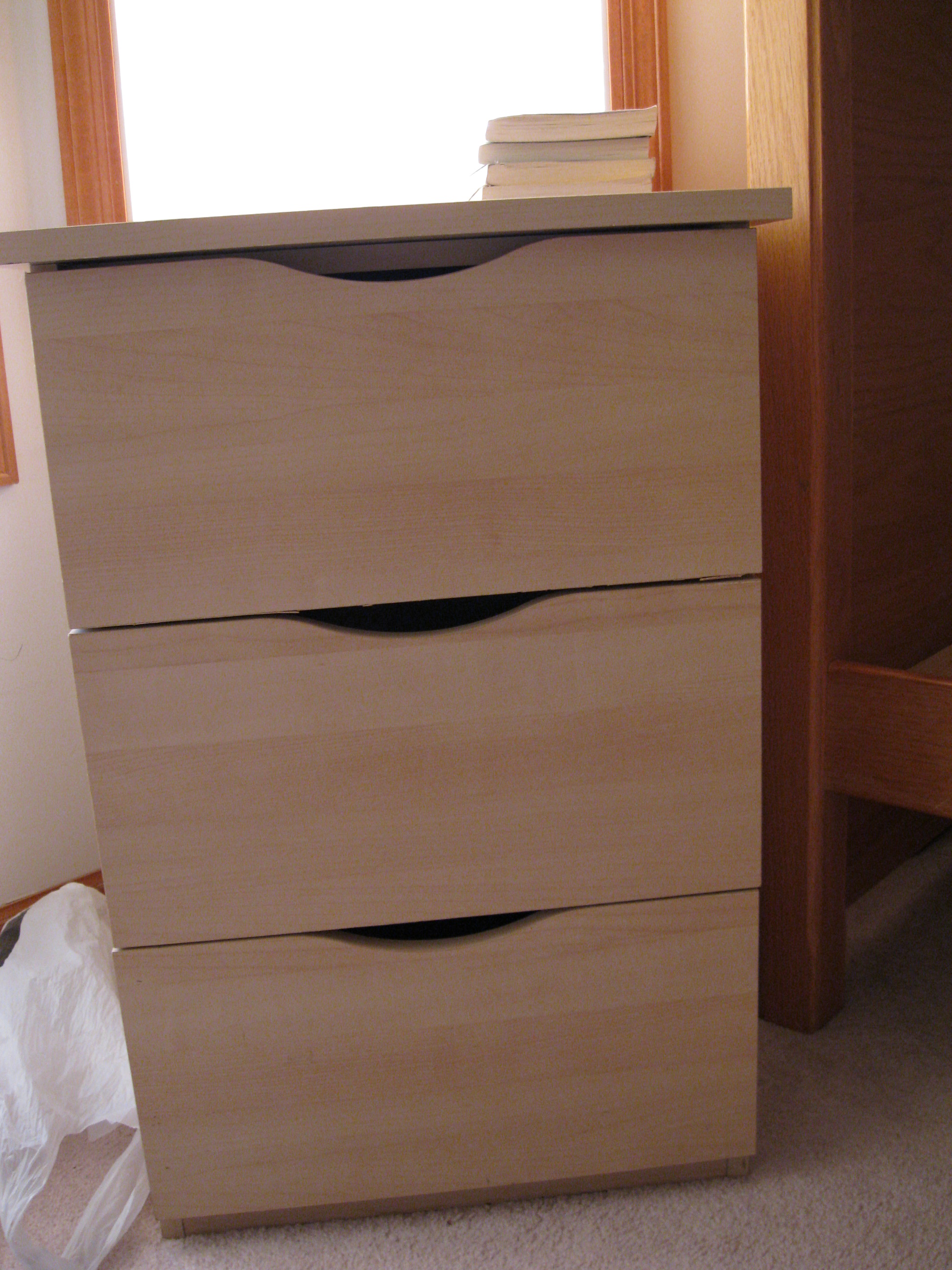
Matching hinges, handles and runners on older German cabinetry without altering the carcass.
Read the article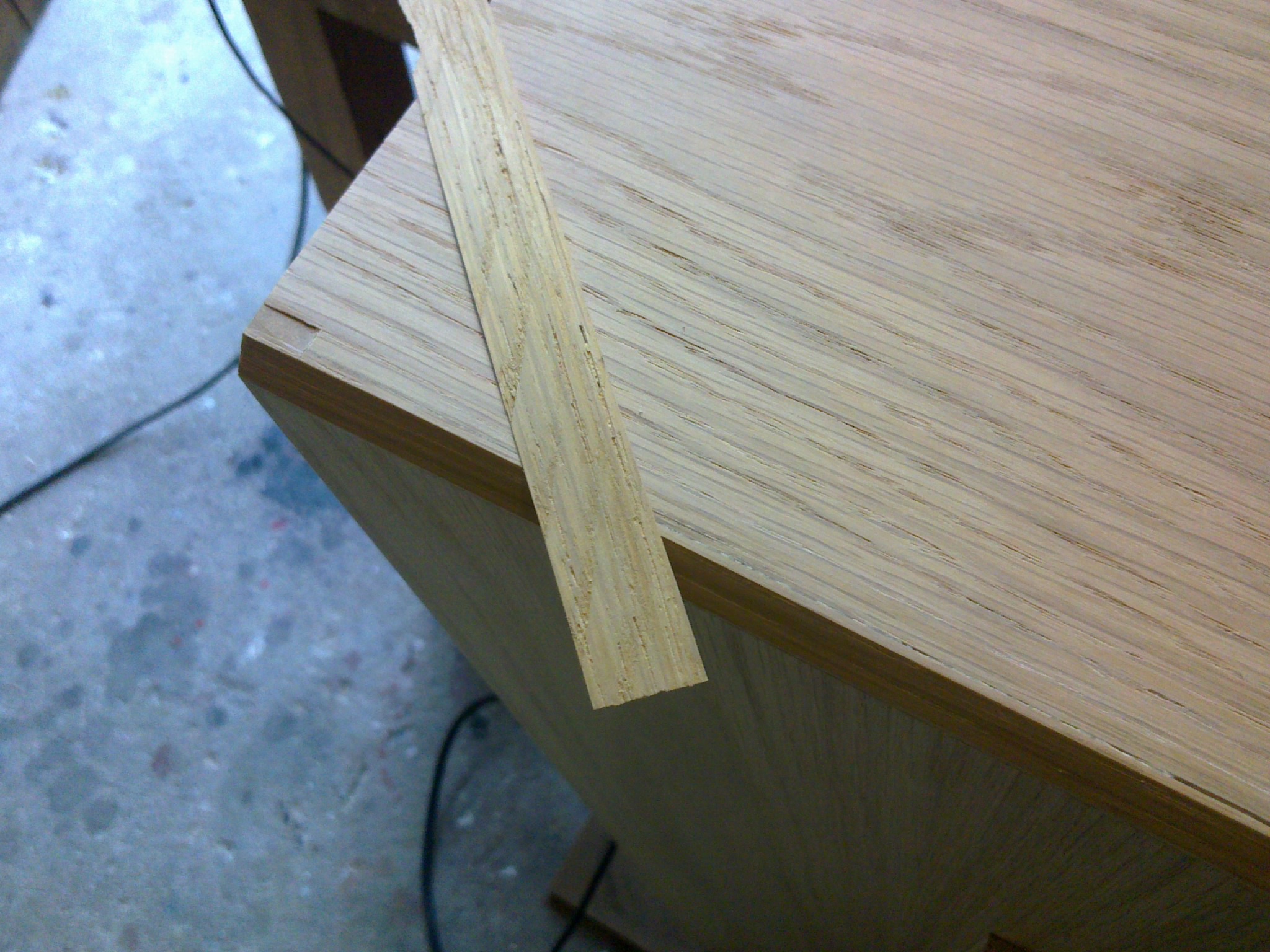
Re-gluing joints and laying lifted veneer so everyday furniture stays in service.
Read the articleContact
The form below is a front-end demonstration: it validates your entries in the browser and confirms receipt locally. It does not send or store data on a server.